September 5, 2026
Homeowners often admire the timeless aesthetic and structural strength that brickwork brings to their properties. However, over extended periods of time, exposure to severe weather elements can lead to significant exterior deterioration. Ignoring early warning signs of degradation often results in extensive structural damage that threatens your entire residence.
Spalling occurs when moisture infiltrates porous exterior brickwork and undergoes repeated freeze and thaw cycles. As trapped water expands, it forces the outer face of the brick to crack, chip, or flake away completely. Investing in professional masonry services early on prevents this moisture intrusion from destroying your building envelope.
When left unaddressed, flaking bricks compromise more than just the visual appeal of your property. Water continuously migrates deeper into surrounding walls, weakening structural support components and creating environments conducive to internal decay. Understanding why chipping happens empowers property owners to take proactive steps toward long-term home preservation.
Identifying Hidden Moisture Intrusion
Moisture represents the primary catalyst for severe brick and mortar degradation across residential properties. Rainwater, melting snow, and excessive ground moisture absorb directly into porous exterior surfaces over time. Securing specialized masonry services helps identify subtle entry points where water continuously penetrates your home's protective exterior barrier.
As trapped water freezes inside the masonry units, it expands and exerts tremendous internal pressure. This physical expansion causes the outer layer of the brick to separate and pop off entirely. Identifying these vulnerable areas early prevents widespread moisture migration into interior wall cavities and living spaces.
In addition to freezing weather, poor rainwater drainage systems often direct excessive water flow against exterior walls. Clogged gutters, misdirected downspouts, and improper ground sloping exacerbate moisture absorption. Eliminating these water sources is essential for preserving structural integrity and stopping ongoing brick degradation.
Unaddressed moisture infiltration also creates ideal conditions for mold growth inside structural wall cavities. Spores thrive in damp environments behind crumbling bricks, presenting health risks to occupants.
Assessing Structural Wall Integrity
Chipping bricks indicate that the protective outer shell of your masonry wall has failed completely. Once this shield breaks down, underlying structural bricks become directly exposed to harsh environmental conditions. Professional masonry services evaluate whether internal loads remain properly supported despite visible exterior surface damage.
- Evaluating load-bearing brick walls for severe displacement or bowing issues
- Inspecting surrounding mortar joints for structural cracking and crumbling mortar
- Measuring moisture levels within underlying masonry layers to prevent interior decay
Compromised structural walls lose their ability to support heavy roof loads and upper floor levels safely. Over time, weight distribution shifts unevenly, leading to interior drywall cracking and sticking doors or windows.
Furthermore, decaying mortar joints surrounding spalling bricks compromise the entire wall system's collective strength. Mortar acts as a cushion and sealant between rigid masonry units. When mortar deteriorates alongside chipping bricks, entire wall sections risk shifting, leaning, or collapsing under continuous structural stress.
Preventing Chimney Structure Failures
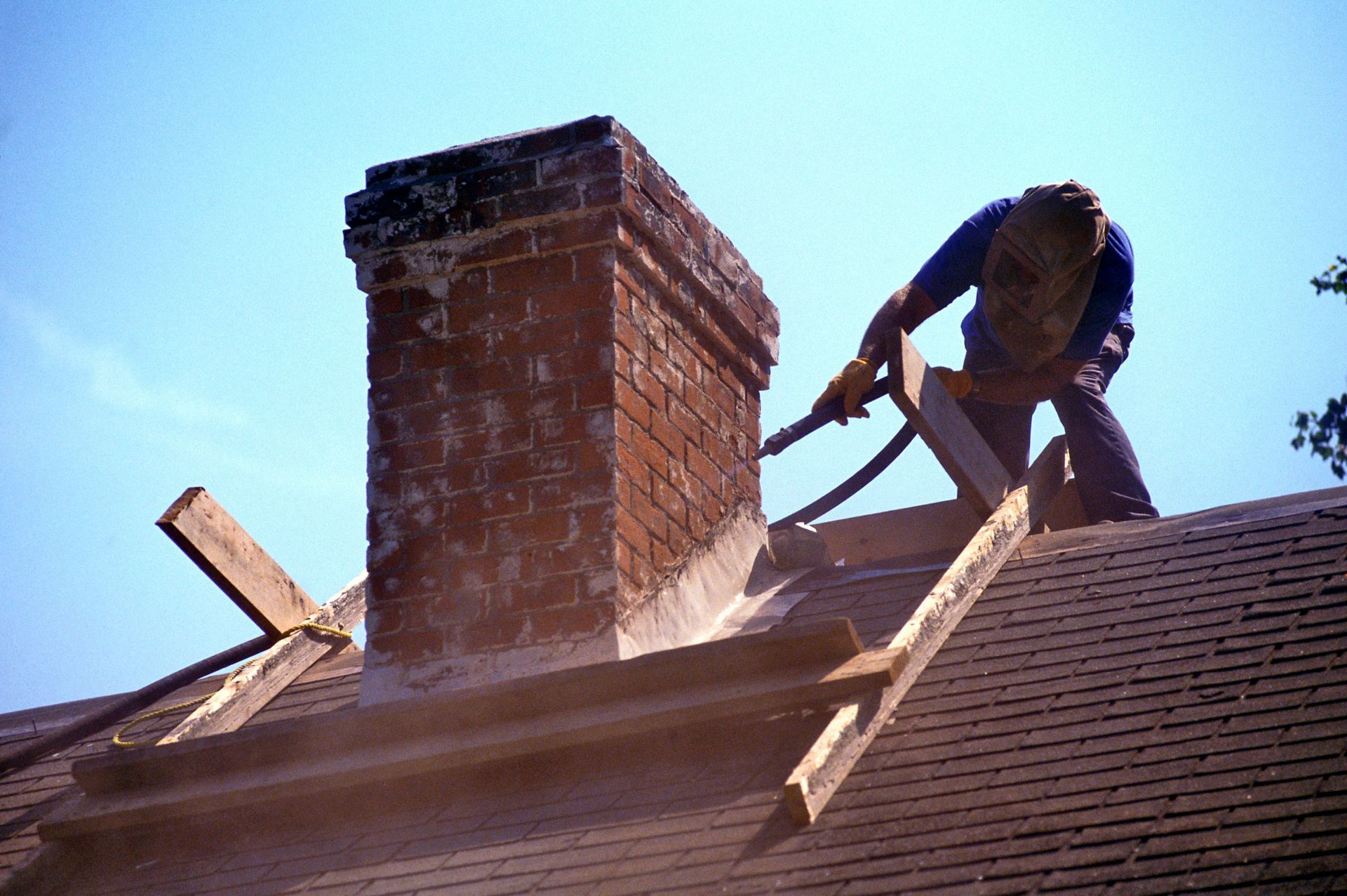
Chimneys remain particularly susceptible to severe spalling because they endure total exposure to harsh atmospheric conditions. Rain, wind, and extreme temperature fluctuations attack chimney stacks from every direction continuously. Utilizing expert masonry services ensures your chimney structure remains sound, weather-tight, and safe for regular heating use.
Internal moisture damage inside a chimney stack presents severe fire safety hazards for household occupants. According to This Old House, chimney fires have the potential to reach blistering temperatures of 2,000°F. This intense heat is capable of fracturing masonry chimney liners and easily igniting the nearby wooden framing, placing everyone inside the home at serious risk.
Proactive maintenance of your chimney cap, crown, and exterior brickwork prevents dangerous water infiltration. Cracking crowns allow rainwater to pour directly into the internal brickwork, eroding liners and mortar joints from the inside out. Timely repairs eliminate structural hazards while preserving safe fireplace operations.
In addition, decaying exterior chimney bricks can loosen and fall onto your roof or ground below unexpectedly. Falling masonry presents immediate physical dangers to family members, visitors, and nearby property assets. Regular maintenance keeps chimney bricks firmly anchored, eliminating sudden falling debris risks entirely.
Restoring Damaged Mortar Joints
Restoring exterior brick walls often requires removing decayed mortar alongside severely damaged masonry units. Repointing involves carefully raking out deteriorated joint material and installing fresh, color-matched mortar compounds. Professional masonry services restore structural cohesion while creating an impenetrable seal against future moisture penetration.
Using improper mortar formulations during restoration can cause catastrophic damage to historical or aging bricks. Modern high-strength cement mortars are often too rigid for older, softer brick units, causing them to crack under thermal expansion. Expert technicians formulate custom mortar blends that match the strength and breathability of original wall systems.
Properly packed mortar joints direct rainwater down the face of the wall efficiently rather than allowing it to collect in open gaps. Smooth, properly contoured joints prevent water pooling and minimize ice formation during winter months. Skilled repointing extends the lifespan of existing brickwork by several decades.
- Raking out soft, crumbling mortar without damaging surrounding historical brick edges
- Formulating breathable mortar compounds that match original physical flexibility standards
- Tooling fresh joint surfaces to shed rainwater away from vulnerable masonry edges
Restoration work also enhances the overall aesthetic, uniform appearance of your home's exterior elevation. Freshly pointed joints eliminate unsightly dark gaps, moss growth, and crumbling mortar lines. High-quality joint restoration elevates curb appeal while reinforcing the overall weather barrier of your property.
Applying Breathable Protective Sealants
Once damaged bricks and mortar joints are fully restored, applying protective sealants offers crucial ongoing defense. However, using cheap, non-breathable sealers traps internal moisture behind the surface, causing accelerated spalling. Specialized masonry services apply hydrophobic coatings that repel external rain while allowing internal moisture vapor to escape freely.
High-performance breathable sealants penetrate deep into porous brick structures without altering their natural exterior appearance. These invisible barriers prevent water droplets from absorbing into small capillary pores during heavy downpours.
Unsealed brick surfaces remain vulnerable to airborne pollutants, acid rain, and organic staining from moss or algae growth. Quality protective coatings resist chemical staining and prevent biological growth from taking root inside damp pores.
Reapplying protective sealants periodically maintains maximum weather resistance as building materials age. Extreme sunlight exposure gradually breaks down exterior protective coatings over several years of service. Scheduled sealant maintenance keeps your building envelope fully protected against relentless moisture intrusion year after year.
Safeguarding Overall Property Value
Neglecting visible brick spalling drastically reduces the market value and financial equity of your residential property. Potential home buyers and real estate inspectors view chipping masonry as a clear sign of underlying structural neglect. Engaging professional masonry services protects your financial investment by maintaining pristine structural condition and exterior appearance.
Addressing minor brick chipping promptly prevents localized damage from spreading across entire wall elevations. Small, affordable repairs prevent extensive structural overhauls that require replacing large sections of load-bearing walls. A well-maintained brick exterior provides exceptional insulation, fire resistance, and noise reduction benefits for homeowners. Preserving these inherent material advantages ensures your property functions efficiently while retaining maximum market appeal. Timely interventions preserve historical character and structural durability simultaneously.
Final quality checks by experienced restoration specialists ensure every repaired section blends seamlessly with original construction. Blending historic textures and colors requires artistic skill alongside technical construction expertise.
Protecting your home from the destructive effects of chipping brickwork requires immediate action and skilled craftsmanship. Do not let hidden moisture intrusion compromise your family's safety or ruin your property's value. Contact Fitzgerald Masonry today to schedule your comprehensive exterior inspection and secure expert restoration solutions for your home.